




Kidney stones are one of the most painful and increasingly common urological conditions yet many people are surprised to learn that a large number of cases can be managed without setting foot in an operation theatre. If you or someone you love has been diagnosed with kidney stones, understanding your non-surgical options can save you from unnecessary procedures, accelerate recovery, and prevent recurrence.
This comprehensive guide covers everything you need to know about kidney stone treatment without surgery from evidence-based home remedies and medical therapies to Ayurvedic support and long-term prevention strategies.
What Are Kidney Stones? A Quick Overview
A kidney stone is a hard, crystalline mineral deposit that forms inside the kidneys when certain substances in the urine such as calcium, oxalate, uric acid, or phosphate become too concentrated and begin to crystallise. These deposits can range in size from a tiny grain of sand to, in rare cases, the size of a golf ball.
Approximately 12% of the global population is affected by kidney stones at some point in their lifetime, making it one of the most prevalent disorders of the urinary tract. Men are somewhat more likely to develop them than women, though the gap has been narrowing in recent decades.
Types of Kidney Stones
Understanding which type of stone you have is critical because treatment strategies differ:
- Calcium Oxalate Stones – The most common type, accounting for roughly 75–80% of all cases. Often linked to low fluid intake, high-oxalate diets, and low urinary citrate levels.
- Calcium Phosphate Stones – Associated with conditions like renal tubular acidosis and overuse of certain medications.
- Uric Acid Stones – More common in people with gout, diabetes, or those who follow high-protein diets.
- Struvite Stones – Usually caused by urinary tract infections (UTIs); more common in women.
- Cystine Stones – Rare, caused by a hereditary disorder called cystinuria.
Recognising the Symptoms of Kidney Stones
Kidney stones often remain silent until they begin to move. When a stone shifts position within the kidney or travels down the ureter (the tube connecting the kidney to the bladder), the following symptoms may emerge:
Primary Symptoms:
- Severe, sharp pain in the back and side, just below the ribs (renal colic)
- Pain that radiates to the lower abdomen and groin
- Pain that fluctuates in intensity and comes in waves
- Burning or painful urination
- Frequent urge to urinate, or urinating in small amounts
Secondary Symptoms:
- Pink, red, or brown-tinged urine (haematuria)
- Cloudy or foul-smelling urine
- Nausea and vomiting
- Fever and chills (indicating possible infection seek emergency care immediately)
The location and intensity of pain typically shifts as the stone travels through the urinary tract. If you experience sudden, debilitating pain or fever alongside any of these symptoms, seek medical attention immediately.
When Is Surgery Necessary and When Is It Not?
Not every kidney stone requires surgery. The need for surgical intervention depends on several factors:
- Stone size: Stones smaller than 5 mm often pass spontaneously. Stones between 5–10 mm may pass with medical assistance. Stones larger than 10–12 mm are more likely to require intervention.
- Stone location: Stones closer to the bladder tend to pass more easily than those stuck near the kidney.
- Symptoms: Severe pain, infection, or complete urinary blockage may necessitate immediate intervention.
- Overall health: Underlying conditions like a single kidney, recurrent UTIs, or structural abnormalities may influence the decision.
In the majority of cases particularly for stones under 10 mm doctors recommend a trial of non-surgical management first. Let’s explore these options in detail.
Kidney Stone Treatment Without Surgery: 10 Evidence-Based Approaches
1. Watchful Waiting (Active Monitoring)
For small stones (under 5 mm) that are not causing significant pain or urinary blockage, your urologist may recommend watchful waiting. This means monitoring the stone’s progress through regular imaging while staying well hydrated and managing any discomfort with medications.
Studies suggest that up to 86% of stones smaller than 4 mm pass on their own within 40 days. Patience, combined with the right supportive care, is often all that’s needed.
2. Aggressive Hydration: The Most Powerful Weapon
Dehydration is one of the leading causes of kidney stone formation and increasing fluid intake is the cornerstone of both treatment and prevention.
Recommended daily intake:
- At minimum: 2 litres (approximately 8 cups) of water per day
- Ideally: 2.5–3 litres (10–12 cups), especially in hot climates or during physical activity
- Goal: Produce at least 2 litres of urine daily (pale yellow in colour)
Water is the best fluid, but certain beverages offer additional benefits:
- Lemon water – Rich in citrate, which inhibits calcium stone formation and can help break down existing stones
- Orange juice – Increases urinary citrate, though high sugar content means moderation is advised
- Coconut water – Natural electrolytes support kidney function
Avoid: Carbonated sodas (especially colas), alcohol, and excessive caffeine, all of which can promote stone formation or dehydration.
3. Over-the-Counter Pain Management
Managing pain effectively allows patients to remain active and hydrated, which is essential for stone passage. Common OTC options include:
- NSAIDs (ibuprofen, naproxen) – Recommended first-line pain relief as they also reduce ureteral spasm and inflammation
- Acetaminophen (Paracetamol) – Useful for those who cannot take NSAIDs due to gastric issues or kidney concerns
- Antispasmodics – Help reduce ureteral cramping and spasm
Important: Always consult your doctor before self-medicating, especially if you have pre-existing kidney disease, high blood pressure, or are taking other medications.
4. Medical Expulsive Therapy (MET)
Medical expulsive therapy involves prescription medications that relax the smooth muscle of the ureter, making it easier for stones to pass through.
Medical expulsive therapy can significantly:
• Reduce time to stone passage
• Decrease the need for pain medication
• Lower hospitalisation rates for patients with ureteral stones (4–10 mm)
5. Dietary Modifications: Eat Your Way to Kidney Health
What you eat has a profound impact on kidney stone formation and recurrence. Here’s how to tailor your diet based on stone type:
For Calcium Oxalate Stones:
- Limit high-oxalate foods: spinach, beets, nuts, chocolate, tea
- Do NOT drastically reduce calcium low dietary calcium paradoxically increases oxalate absorption
- Reduce animal protein (meat, poultry, fish) which increases urinary oxalate and uric acid
- Limit sodium to less than 2,300 mg per day (high salt increases calcium in the urine)
For Uric Acid Stones:
- Reduce purine-rich foods: red meat, organ meats, shellfish, alcohol
- Increase fruits and vegetables to alkalinise urine
- Maintain a healthy weight
For All Stone Types:
- Eat more citrus fruits, especially lemons
- Consume adequate dietary calcium (from food, not supplements)
- Increase potassium-rich foods: bananas, avocados, sweet potatoes
6. The Low-Sodium Strategy
Sodium deserves special emphasis because it is one of the most overlooked dietary contributors to kidney stones. A high-sodium diet increases the amount of calcium excreted in the urine, which raises the risk of calcium stone formation significantly.
One teaspoon of table salt contains approximately 2,325 mg of sodium which is already at the daily limit recommended for stone-prone individuals. Hidden sodium in processed foods, restaurant meals, canned goods, and condiments can easily push your intake well beyond this.
Simple strategies to cut sodium:
- Cook with herbs and spices instead of salt
- Read food labels and avoid products exceeding 200 mg sodium per serving
- Choose fresh or frozen vegetables over canned
- Ask for dressings and sauces on the side when dining out
7. Shock Wave Lithotripsy (SWL)
Shock wave lithotripsy is a non-invasive procedure that uses focused sound waves (shock waves) to break kidney stones into smaller fragments that can then pass naturally through urination. It does not require any incisions.
Best suited for:
- Stones between 5–20 mm located in the kidney or upper ureter
- Stones made of calcium oxalate or calcium phosphate
- Patients without obesity, bleeding disorders, or certain anatomical issues
The procedure typically takes 45–60 minutes and is performed under sedation or anaesthesia. Multiple sessions may be required for larger stones. While technically a medical procedure, it avoids surgery entirely and is usually performed on an outpatient basis.
8. Ureteroscopy (URS) with Laser Lithotripsy
Ureteroscopy is a minimally invasive procedure not surgery in the traditional sense in which a thin, flexible scope is passed through the urethra and bladder up to the stone. A laser (most commonly a holmium laser) then breaks the stone into dust-like fragments.
This approach is particularly effective for:
- Stones in the lower ureter
- Harder stones that resist shock wave therapy
- Patients for whom SWL is not suitable
Recovery is typically rapid (1–2 days), and no incisions are made. It is increasingly preferred over open surgery for most stone types.
9. Physical Activity and Lifestyle
While vigorous exercise is not recommended when a stone is actively passing, regular moderate exercise plays a powerful preventive role:
- Walking and jogging are particularly effective at encouraging smaller stones to move through the urinary tract
- Exercise helps maintain a healthy weight, which is a major risk factor for kidney stones especially uric acid stones
- Yoga poses that stimulate the kidneys and promote fluid movement (such as seated twists and forward bends) may provide supplementary benefit
Aim for at least 30 minutes of moderate physical activity most days of the week. Even light daily walking makes a meaningful difference in stone prevention and overall kidney health.
10. Ayurvedic and Herbal Support
For centuries, Ayurvedic medicine has recognised the kidneys as vital organs requiring active support, and several herbs traditionally used in Ayurveda have been studied for their role in kidney health, stone dissolution, and urinary comfort.
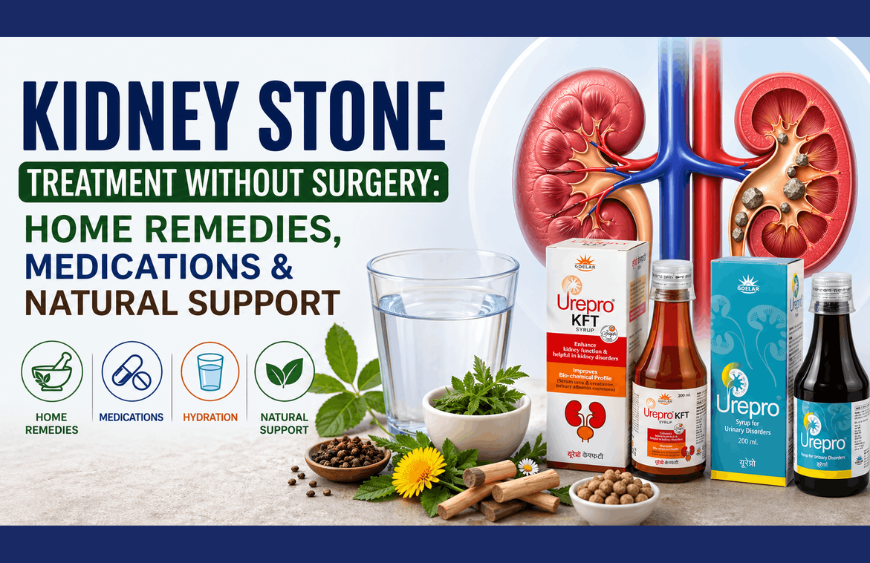
Urepro Kit & Urepro KFT Syrup Sugar Free is ready-to-use Ayurvedic OTC medicine that can serve as a natural adjunct for those dealing with kidney stones. Its blend of time-tested herbs including Gokhru, Varuna, Punarnava, Pashanbhed, Apamarg, and Sariva works through diuretic, cooling, and nephroprotective actions to support smooth urine flow, help flush metabolic impurities, and promote the body’s natural stone-clearing process. Pashanbhed in particular has long been used in Ayurveda specifically for its stone-breaking properties.
Being Urepro KFT Sugar Free, it is also suitable for diabetic patients, a group already at elevated risk for uric acid stones. It can be incorporated into a daily wellness routine alongside adequate hydration and dietary changes, with no need for a prescription.
Home Remedies That Actually Help
Beyond the clinical approaches above, several well-evidenced home remedies can meaningfully support kidney stone passage and prevention:
Lemon Juice and Olive Oil
A popular traditional remedy the citric acid in lemon juice may help break down calcium-based stones, while olive oil is thought to provide lubrication. While robust clinical trials are limited, increased lemon consumption is consistently supported by research for its citrate content. Mix the fresh juice of half a lemon with warm water and drink first thing in the morning.
Apple Cider Vinegar (ACV)
ACV contains acetic acid, which may help dissolve calcium deposits. Dilute 1–2 tablespoons in a large glass of water never consume it undiluted as it can damage tooth enamel and the oesophagus. Evidence is preliminary but promising.
Basil (Tulsi) Juice
A cornerstone of Ayurvedic kidney care, basil contains compounds that may help stabilise uric acid levels and promote urinary health. Fresh basil tea or juice taken daily is a time-honoured remedy.
Kidney Beans
Shaped like their namesake organ, kidney beans are rich in magnesium and soluble fibre both of which are associated with reduced stone recurrence. Drink the water in which kidney beans have been cooked for an added benefit.
Celery Seed
Celery seeds have traditionally been used as a diuretic and to support kidney and liver function. Celery seed tea or extract may help clear the toxins that contribute to kidney stone formation.
Pomegranate Juice
Rich in antioxidants and compounds that may help lower urine acidity, pomegranate juice has been studied for its potential to reduce stone formation. One glass of fresh pomegranate juice daily is a simple, tasty addition to your kidney health routine.
Preventing Recurrence: How to Never Get Kidney Stones Again
The recurrence rate for kidney stones is alarmingly high approximately 50% of people experience a second stone within 5–7 years without lifestyle changes. Prevention is every bit as important as treatment.
Key prevention strategies:
- Stay consistently hydrated — make it a habit, not an afterthought
- Dietary changes tailored to your specific stone type (as confirmed by stone analysis)
- 24-hour urine testing — a crucial but often skipped diagnostic that reveals exactly what’s causing your stones
- Prescription preventive medications when appropriate (e.g., thiazide diuretics, allopurinol, potassium citrate)
- Regular follow-ups with a urologist, including periodic imaging
- Maintain a healthy BMI — obesity increases risk for multiple stone types
- Limit vitamin C supplements — megadoses convert to oxalate in the body
- Moderate calcium supplement use — take with meals rather than independently
When You Must See a Doctor Immediately
While most kidney stone episodes can be managed conservatively, the following situations require emergency medical attention:
- Fever above 38°C (100.4°F) combined with flank pain this may indicate a kidney infection (pyelonephritis), which can become life-threatening
- Complete inability to urinate
- Uncontrollable vomiting preventing adequate fluid intake
- Pain that cannot be controlled with medications
- Known single kidney experiencing obstruction
- Sudden, severe pain in someone with no prior stone history
Do not delay care in any of these scenarios. Early intervention prevents serious kidney damage.
A Note on Kidney Health Beyond Stones
Kidney stones are a signal that your urinary system is under stress. Taking them seriously means adopting a broader kidney health mindset one that includes regular hydration, a balanced diet, avoiding nephrotoxic substances (including excessive NSAIDs and contrast agents), managing conditions like diabetes and hypertension, and periodic kidney function testing.
Recommended products
Urepro KFT Syrup Sugar Free – Ayurvedic Support for Enhanced Kidney Function (200 ML)
Original price was: ₹395.00.₹352.00Current price is: ₹352.00.Urepro Syrup – Ayurvedic Tonic for Kidney & Urinary Wellness
Original price was: ₹229.00.₹212.00Current price is: ₹212.00.

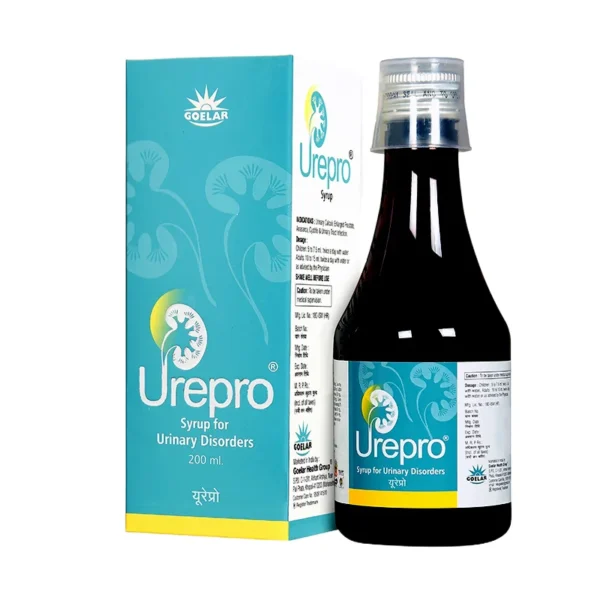
For those who have experienced multiple episodes or have a family history of kidney stones, supplementary kidney support can make a real difference. Urepro Syrup & Urepro KFT Syrup Sugar Free is an Ayurvedic OTC option that combines herbs like Punarnava, Varuna, and Bhumi Amla to support kidney filtration, reduce oxidative stress on kidney cells, and maintain urinary tract comfort over the long term making it a practical, natural addition to any kidney care routine.
Conclusion
Kidney stones are painful, disruptive and in most cases, very manageable without surgery. From aggressive hydration and dietary changes to medical expulsive therapy, shock wave lithotripsy, and Ayurvedic herbal support, the toolkit for non-surgical kidney stone treatment has never been more robust.
The key is to act promptly, stay well informed, work closely with a qualified healthcare provider, and adopt lasting lifestyle changes that protect your kidneys for the long term. Surgery should always be a last resort not a first response. If you are currently dealing with kidney stones or want to prevent them, speak to a urologist about the full range of options available to you. Your kidneys work hard every day they deserve the same care in return.