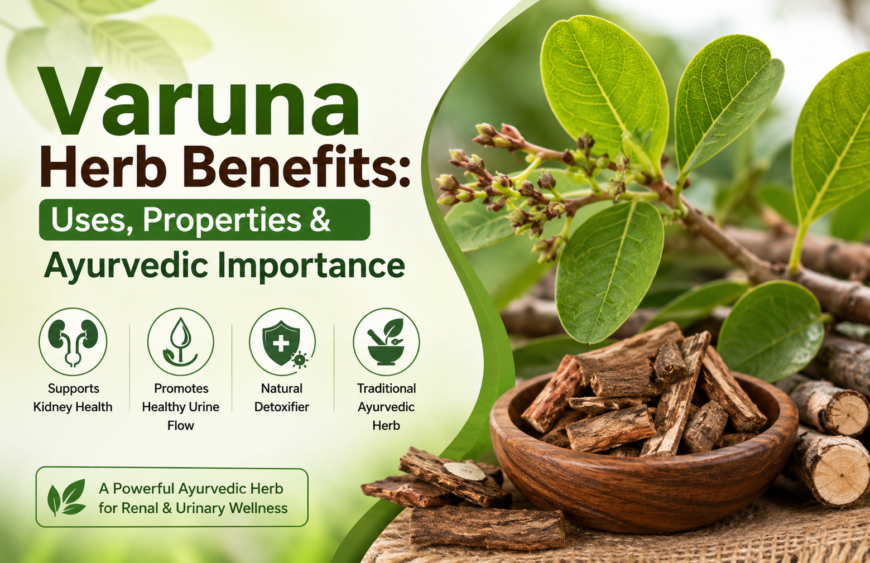
Varuna (scientific name: Crataeva nurvala) is one of the most valued herbs in Ayurveda. Known for centuries as a traditional herb for urinary wellness, Varuna is widely used in Ayurvedic formulations because of its natural properties. If you are searching for varuna herb benefits, understanding its traditional uses, nutritional profile, and Ayurvedic significance can help you appreciate why this herb continues to be an important ingredient in many herbal preparations.
In Ayurveda, Varuna is primarily valued for supporting the healthy functioning of the urinary system and maintaining the body’s natural balance. Today, many Ayurvedic OTC formulations also include Varuna as one of their key herbal ingredients.
What is Varuna?
Varuna is a medium-sized deciduous tree native to India and several other South Asian countries. It belongs to the Capparaceae family and is commonly known as Three-Leaved Caper in English. The bark of the Varuna tree is the most commonly used part in Ayurvedic formulations, although leaves and roots are also used in certain traditional preparations.
According to Ayurveda, Varuna has been mentioned in classical texts for its role in supporting urinary health and balancing the body’s natural functions. Its Sanskrit name is believed to be associated with “Varuna,” the deity of water, highlighting its traditional connection with fluid balance in the body.
Nutritional and Phytochemical Profile of Varuna
The therapeutic value of Varuna comes from its naturally occurring plant compounds, including:
- Flavonoids
- Triterpenoids
- Saponins
- Alkaloids
- Sterols
- Natural antioxidants
Researchers have also identified compounds such as lupeol, varunol, rutin, quercetin, and isoquercetin in different parts of the plant. These bioactive compounds contribute to the herb’s traditional Ayurvedic applications.
Varuna Herb Benefits in Ayurveda
1. Supports Urinary Wellness
One of the best-known varuna herb benefits is its traditional use for maintaining urinary tract health. Ayurveda considers Varuna an important herb for promoting normal urinary function and supporting healthy urine flow.
Because of this traditional use, Varuna is frequently included in Ayurvedic formulations designed for urinary wellness.
2. Traditionally Used for Kidney Wellness
Ayurvedic texts have long associated Varuna with kidney health. Traditionally, the herb has been used in herbal preparations that support the normal functioning of the kidneys and urinary tract.
Modern scientific studies are exploring these traditional uses, although more high-quality clinical research is still needed.
3. Rich in Natural Antioxidants
Varuna contains several antioxidant compounds that help protect plant cells from oxidative stress. Antioxidants are important because they help neutralize free radicals that are naturally produced in the body.
A balanced diet containing antioxidant-rich herbs and foods supports overall wellness.
4. May Support Healthy Inflammatory Response
Traditional Ayurvedic literature describes Varuna as having properties that help maintain the body’s natural inflammatory balance. Because of this, the herb has been included in various classical Ayurvedic formulations.
Its naturally occurring phytochemicals are being studied for their biological activity.
5. Supports Digestive Health
Ayurveda also describes Varuna as an herb that may help stimulate appetite and support healthy digestion. It is traditionally classified as having Deepan (appetite-promoting) properties.
Healthy digestion is considered an important foundation of overall wellness in Ayurvedic practice.
6. Traditionally Used for Skin Care
Apart from internal wellness, Varuna has also been used externally in Ayurveda. Traditional texts mention the use of Varuna bark paste for supporting natural skin healing and maintaining healthy-looking skin.
These are traditional Ayurvedic applications and should not replace professional medical care for skin conditions.
Ayurvedic Properties of Varuna
According to Ayurveda, Varuna possesses several unique characteristics:
- Rasa (Taste): Tikta (Bitter), Kashaya (Astringent)
- Guna (Qualities): Laghu (Light), Tikshna (Sharp)
- Virya (Potency): Ushna (Hot)
- Vipaka: Katu (Pungent)
- Traditionally believed to help balance Kapha and Vata doshas.
How is Varuna Traditionally Used?
In Ayurveda, Varuna has been used in several forms, including:
- Bark powder
- Decoctions (Kwath)
- Herbal tablets
- Capsules
- Multi-herb Ayurvedic formulations
The appropriate form depends on individual needs and should ideally be chosen with guidance from a qualified Ayurvedic practitioner.
Is Varuna Safe?
Varuna has been used in traditional Ayurvedic practice for generations. However, like any herbal ingredient, it should be used responsibly.
You should consult a healthcare professional before using Varuna if you:
- Are pregnant or breastfeeding
- Are taking medicines for blood pressure or other chronic conditions
- Have an existing medical condition
- Are planning long-term herbal supplementation
Using herbal products according to the manufacturer’s instructions is always recommended.
Varuna in Ayurvedic OTC Medicines
Many Ayurvedic OTC formulations use Varuna as one of their herbal ingredients because of its traditional importance in urinary wellness.
At Goelar Health Group, Varuna is included as an ingredient in selected Ayurvedic formulations such as:
These products combine Varuna with other carefully selected Ayurvedic herbs to support overall urinary wellness as part of a balanced lifestyle.
Related Ayurvedic Herbs
If you’re interested in learning about more traditional Ayurvedic herbs, you may also like reading about Kabab Chini Ke Fayde, another herb commonly used in Ayurvedic formulations alongside various botanical ingredients for overall wellness.
Final Thoughts
Among the many medicinal plants described in Ayurveda, Varuna continues to hold a respected place because of its long history of traditional use. The numerous varuna herb benefits, particularly its traditional role in supporting urinary wellness, digestive health, and overall balance, have made it an important ingredient in Ayurvedic herbal formulations for centuries.
While modern research continues to study this remarkable herb, Ayurveda values Varuna as part of a holistic lifestyle that includes a balanced diet, regular physical activity, and healthy daily habits. If you choose herbal products containing Varuna, always follow the recommended directions and consult a qualified healthcare professional whenever necessary.