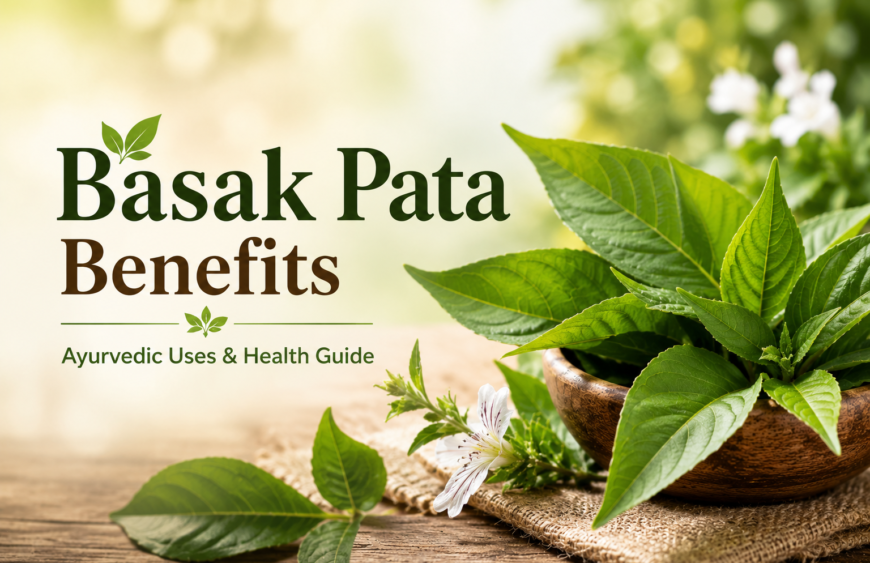
Basak Pata, also known as Vasaka, Adusa, or Malabar Nut (Adhatoda vasica), is one of the most respected medicinal herbs in Ayurveda. Traditionally used for respiratory wellness, basak pata benefits have been recognized for over 2,000 years. The leaves of this evergreen shrub are rich in natural alkaloids, antioxidants, and plant compounds that have made them an important ingredient in many Ayurvedic formulations.
Ayurveda values Basak Pata for supporting healthy breathing, digestive wellness, and overall body balance. While modern scientific research is exploring many traditional basak pata benefits, the herb should be considered a supportive part of a healthy lifestyle rather than a replacement for medical treatment.
What is Basak Pata?
Basak Pata is the leaf of the Adhatoda vasica plant, which belongs to the Acanthaceae family. It grows naturally across India, Nepal, Sri Lanka, and other parts of South Asia. The herb is commonly known by different names, including Vasaka, Adusa, Arusa, and Malabar Nut.
In Ayurveda, the leaves are the most commonly used part of the plant. They are traditionally prepared as herbal juice, decoction, powder, or included in multi-herb formulations. Basak Pata is especially valued for supporting respiratory health and maintaining Kapha balance.
Nutritional and Active Compounds in Basak Pata
Many basak pata benefits are linked to its naturally occurring phytochemicals, including:
- Vasicine
- Vasicinone
- Flavonoids
- Tannins
- Saponins
- Phenolic compounds
- Essential oils
- Natural antioxidants
These compounds have been studied for their bronchodilator, antioxidant, antimicrobial, and anti-inflammatory properties, although further clinical research is still needed.
Top Basak Pata Benefits in Ayurveda
1. Traditionally Supports Respiratory Health
One of the most well-known basak pata benefits is its traditional use for supporting healthy lungs and breathing.
Ayurveda has long recommended Vasaka for maintaining respiratory wellness. Traditionally, it has been included in herbal preparations intended to support comfortable breathing and promote respiratory function. Modern studies are investigating these traditional applications.
2. Helps Support Healthy Mucus Clearance
Basak Pata is traditionally known as a natural expectorant.
Ayurvedic practitioners have used it to help loosen mucus and support its natural removal from the respiratory tract. Because of this traditional role, Vasaka remains a common ingredient in Ayurvedic respiratory formulations.
3. Rich in Natural Antioxidants
Another important basak pata benefits is its antioxidant content.
The flavonoids and phenolic compounds present in Basak Pata help protect cells from oxidative stress caused by free radicals. Including antioxidant-rich herbs as part of a balanced lifestyle may contribute to long-term wellness.
4. Traditionally Supports Digestive Wellness
Ayurvedic texts describe Basak Pata as a herb that supports healthy digestion.
It has traditionally been used to promote digestive comfort, stimulate appetite, and support normal digestive function. While research is ongoing, Ayurveda continues to recognize its value in maintaining digestive balance.
5. May Support a Healthy Inflammatory Response
Among the traditional basak pata benefits, maintaining a healthy inflammatory response is another important use.
Laboratory studies suggest that compounds such as vasicine may possess anti-inflammatory properties. However, more human studies are needed before definitive conclusions can be drawn.
6. Traditionally Used for Blood Purification
Ayurvedic literature also describes Vasaka as a herb traditionally used to support healthy blood circulation and natural detoxification.
These traditional uses have made Basak Pata a valuable ingredient in several classical Ayurvedic formulations. Scientific evidence supporting these uses is still evolving.
7. Supports Overall Wellness
Beyond respiratory care, basak pata benefits extend to overall wellness.
Its combination of antioxidants, plant alkaloids, and traditional Ayurvedic properties makes it a versatile herb that supports daily health when combined with nutritious food, regular exercise, and healthy lifestyle habits.
Ayurvedic Properties of Basak Pata
According to Ayurveda, Basak Pata possesses the following characteristics:
- Rasa (Taste): Tikta (Bitter), Kashaya (Astringent)
- Guna (Qualities): Laghu (Light), Ruksha (Dry)
- Virya (Potency): Sheeta (Cooling)
- Vipaka: Katu (Pungent)
Ayurvedic practitioners believe Basak Pata primarily helps balance Kapha and Pitta doshas while supporting respiratory and digestive wellness.
How is Basak Pata Traditionally Used?
Basak Pata is commonly available in several Ayurvedic forms:
- Fresh leaf juice (Swarasa)
- Herbal powder (Churna)
- Decoction (Kwath)
- Capsules
- Syrups
- Multi-herb Ayurvedic formulations
The appropriate dosage depends on the product and individual health needs. Always follow the manufacturer’s instructions or seek professional guidance.
Safety and Precautions
Basak Pata has a long history of traditional Ayurvedic use and is generally considered safe when used in recommended amounts.
However, some precautions are important:
- Pregnant and breastfeeding women should consult a healthcare professional before use.
- People taking prescription medicines should seek medical advice before adding herbal supplements.
- Choose products from trusted manufacturers that follow quality standards.
- Avoid excessive intake unless recommended by a qualified practitioner.
Basak Pata in Ayurvedic OTC Medicines
Because of its traditional importance in Ayurvedic wellness, Basak Pata is included as an ingredient in selected Ayurvedic OTC formulations.
At Goelar Health Group, Basak Pata is used in formulations such as:
These formulations combine Basak Pata with other carefully selected Ayurvedic herbs to support daily wellness as part of a balanced lifestyle.
Learn More About Ayurvedic Herbs
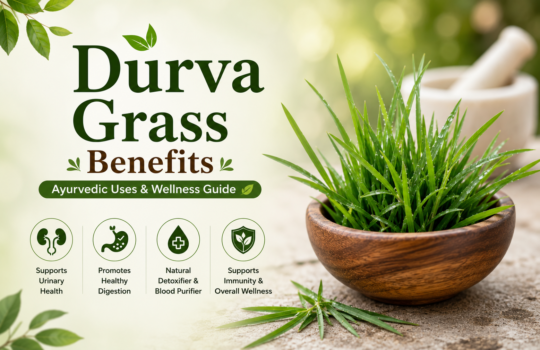
If you’re interested in exploring more traditional Ayurvedic herbs, you may also enjoy reading durva grass benefits. Durva Grass is another respected Ayurvedic herb that has traditionally been used to support urinary wellness, digestion, and overall body balance.
Final Thoughts
The many basak pata benefits described in Ayurveda have made this remarkable herb an important part of traditional herbal medicine for centuries. From supporting respiratory wellness and healthy digestion to providing antioxidant protection and promoting overall vitality, Basak Pata continues to play a valuable role in Ayurvedic formulations.
While modern scientific research continues to investigate its therapeutic properties, Basak Pata should be viewed as a supportive herbal ingredient rather than a cure for disease. A balanced diet, regular physical activity, adequate hydration, and proper medical care remain the foundation of good health. When choosing Ayurvedic products containing Basak Pata, always follow the recommended dosage and consult a qualified healthcare professional whenever necessary.