
Staying physically active is an important part of maintaining a healthy lifestyle while managing diabetes. You don’t necessarily need a gym or expensive equipment to get moving. Diabetes exercise at home can be a simple and convenient way to include physical activity in your everyday routine.
India is facing a significant diabetes burden. The ICMR-INDIAB study estimated that around 101 million adults in India were living with diabetes, while another 136 million were estimated to have prediabetes. These numbers highlight the growing importance of healthy lifestyle habits, including regular physical activity, for diabetes prevention and management.
What Does Research Say About Exercise and Diabetes?
Exercise isn’t just about staying fit it can also have measurable effects on blood sugar management. A recent systematic review and meta-analysis of 100 randomized controlled trials involving 7,195 adults with type 2 diabetes found that different forms of exercise significantly improved HbA1c levels. Combined aerobic and resistance training produced one of the largest improvements, with an average HbA1c reduction of approximately 0.74 percentage points compared with control groups.
Earlier research has reported similar findings. A large meta-analysis published in JAMA found that structured exercise was associated with an average 0.67 percentage-point reduction in HbA1c, with exercise programs involving more than 150 minutes per week showing greater reductions than shorter programs.
These findings don’t mean exercise can cure diabetes, but they do show why regular physical activity can be an important part of a diabetes-management plan. The right amount and type of exercise can vary depending on a person’s health, fitness level, medications, and other individual factors.
From walking and stretching to simple strength exercises, there are several activities you can perform at home according to your fitness level. Let’s look at 7 simple exercises that can help you stay active and support your overall diabetes-management routine.
1. Walking
Walking is one of the easiest ways to start exercising at home. You can walk around your house, on your terrace, in your building, or outdoors when convenient.
Regular walking keeps your body active and can be a practical way to include more physical activity in your day.
If you’re new to exercise, start with a comfortable pace and gradually increase your walking time as your fitness improves.
2. Chair Exercises
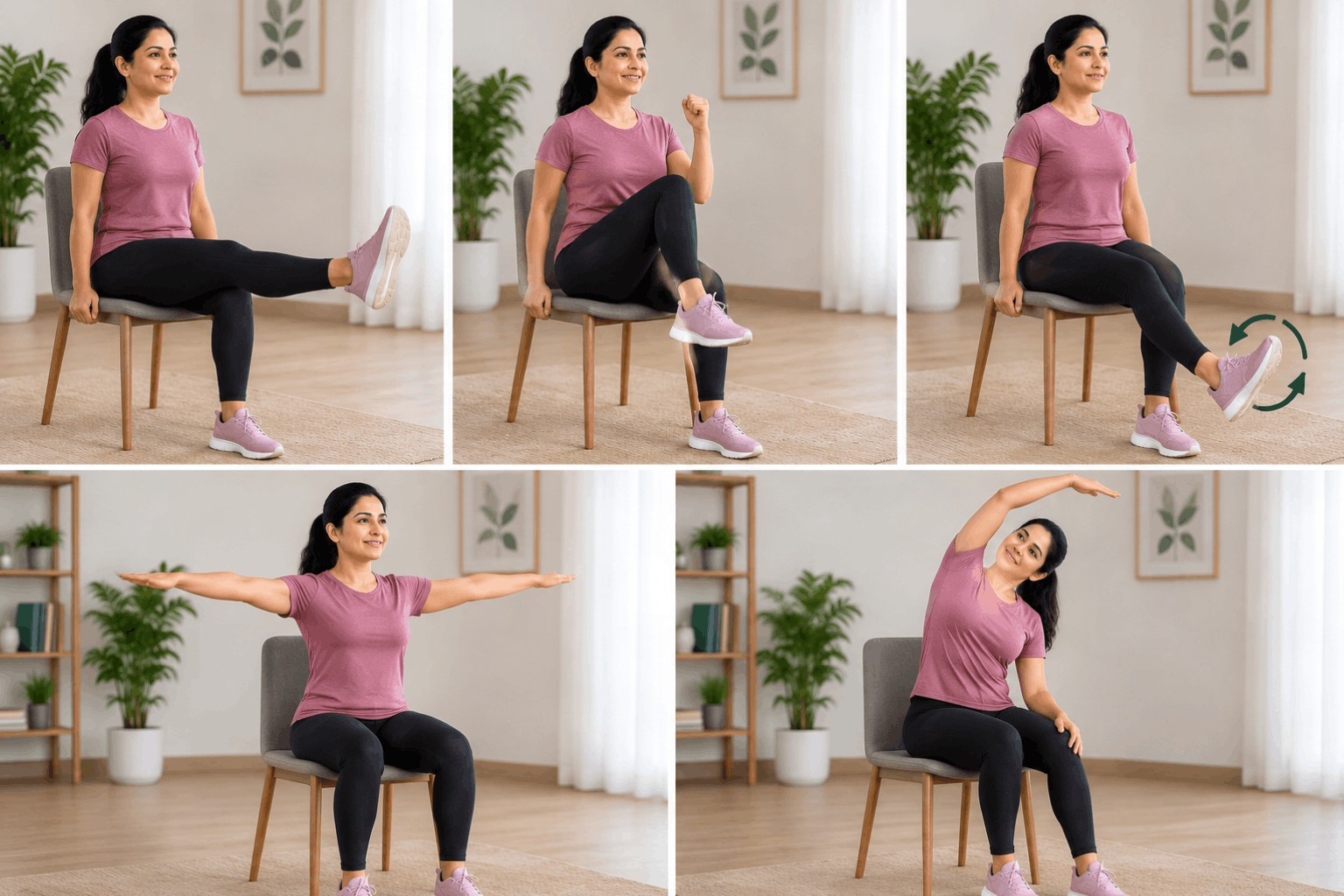
Chair exercises are a convenient option for people who may find standing exercises difficult.
You can perform simple movements such as:
- Seated leg raises
- Seated marching
- Ankle rotations
- Arm raises
- Gentle upper-body movements
These exercises require very little space and can easily become part of your exercise for diabetes at home routine.
Always perform movements slowly and stop if you experience pain, dizziness, or unusual discomfort.
3. Wall Push-Ups
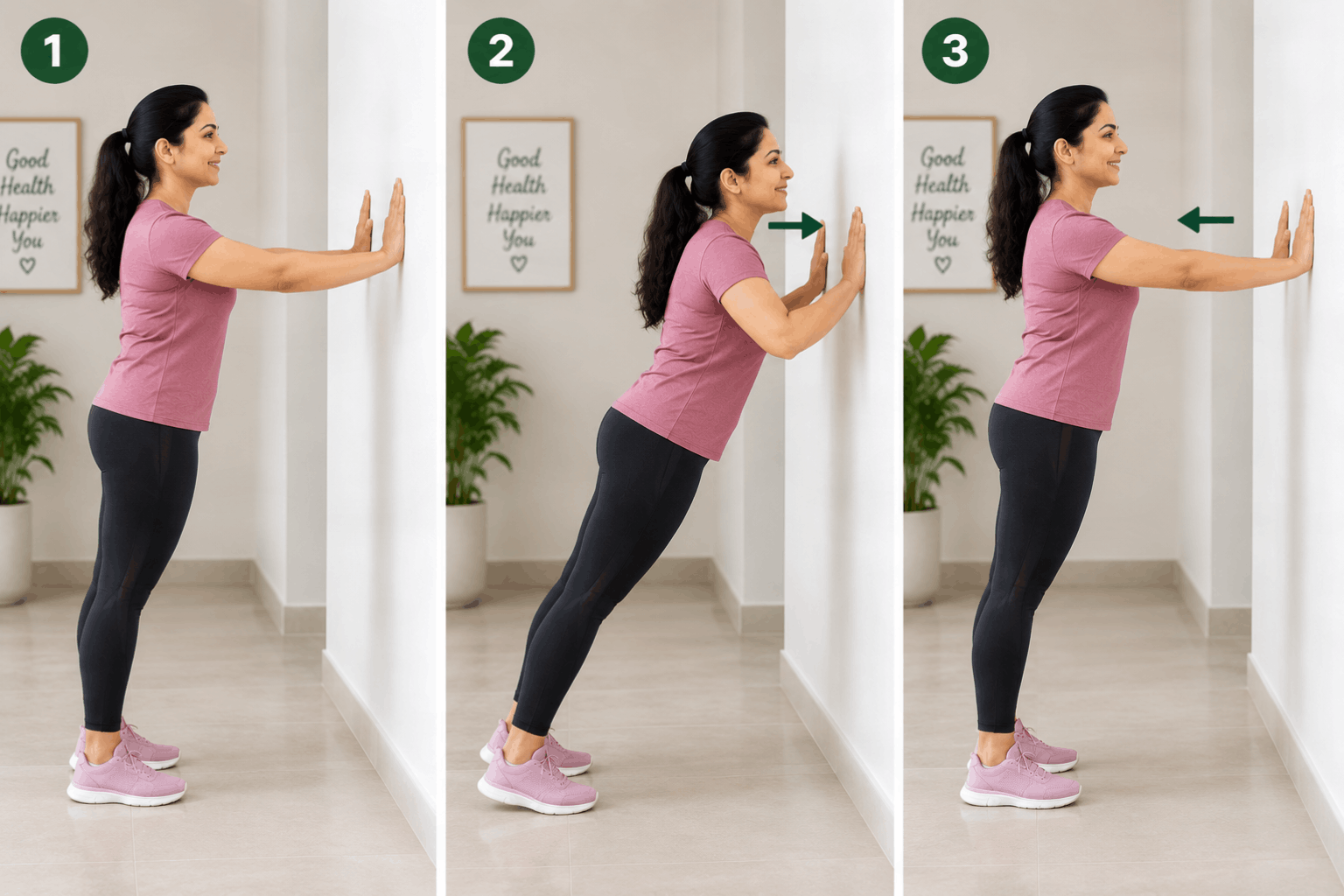
Wall push-ups are a beginner-friendly strength exercise that doesn’t require any equipment.
Stand facing a wall, place your hands against it at approximately shoulder height, and slowly bend your elbows to bring your upper body toward the wall. Then gently push yourself back to the starting position.
Start with a small number of repetitions and increase gradually as you become more comfortable.
4. Sit-to-Stand Exercises
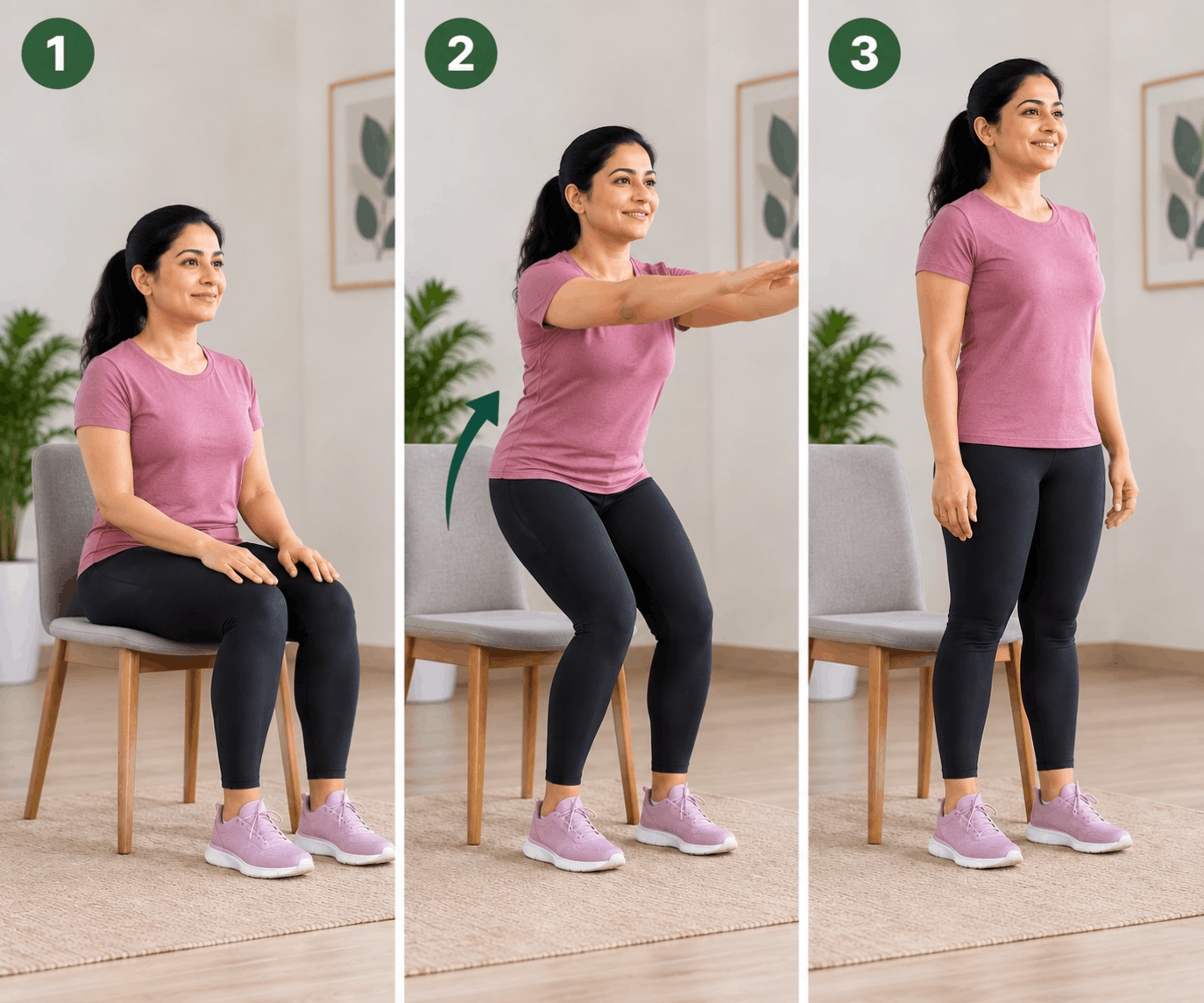
Sit-to-stand exercises are another simple movement that can be performed at home using a sturdy chair.
Sit comfortably on the chair, keep your feet firmly on the floor, and slowly stand up. Then carefully return to a seated position.
This movement engages several lower-body muscles and can be adapted according to your fitness level.
Make sure the chair is stable and positioned securely before starting.
5. Gentle Yoga
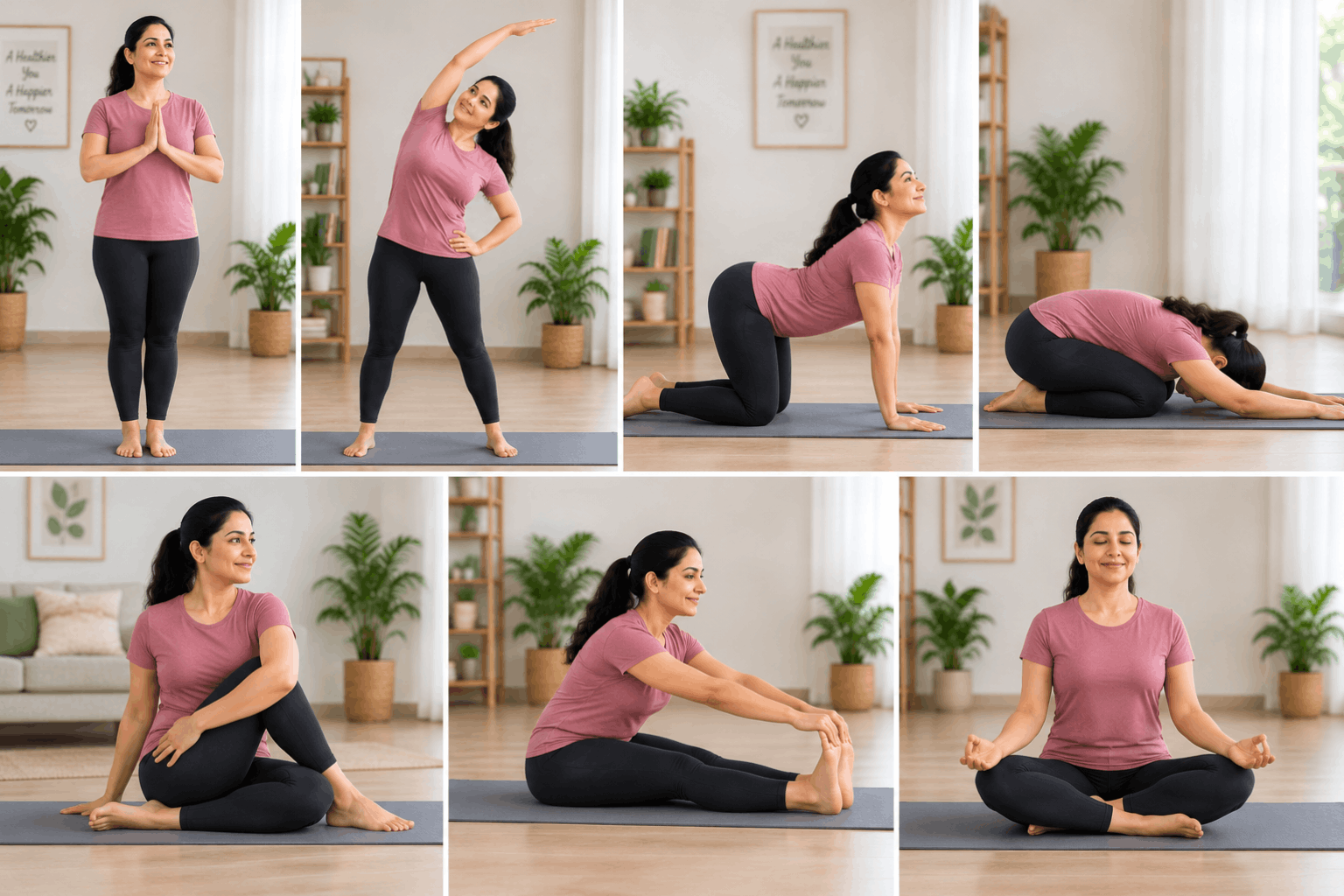
Yoga combines gentle movement, stretching, balance, and relaxation. Simple yoga poses can be performed at home with little or no equipment.
Beginners should start with easy movements and avoid forcing the body into uncomfortable positions.
If you are new to yoga or have other health or mobility concerns, consider learning from a qualified instructor.
6. Leg Raises
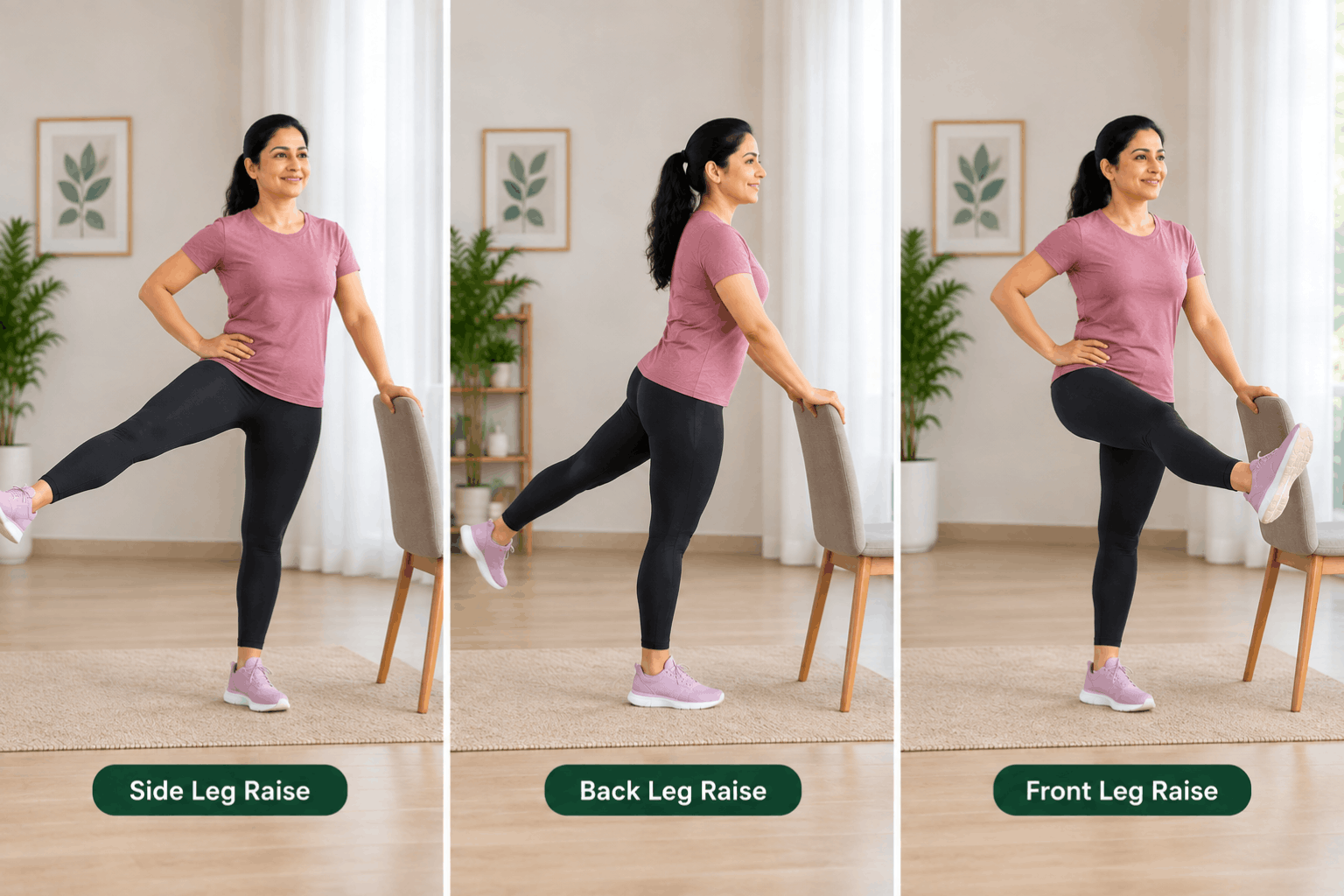
Standing leg raises can be another simple addition to your home exercise routine.
Hold onto a stable surface such as a chair or countertop for support. Slowly raise one leg to the side or backward while maintaining your balance, then return it to the starting position.
Repeat on the other side.
Keep the movement controlled rather than trying to lift your leg as high as possible.
7. Stretching and Mobility Exercises
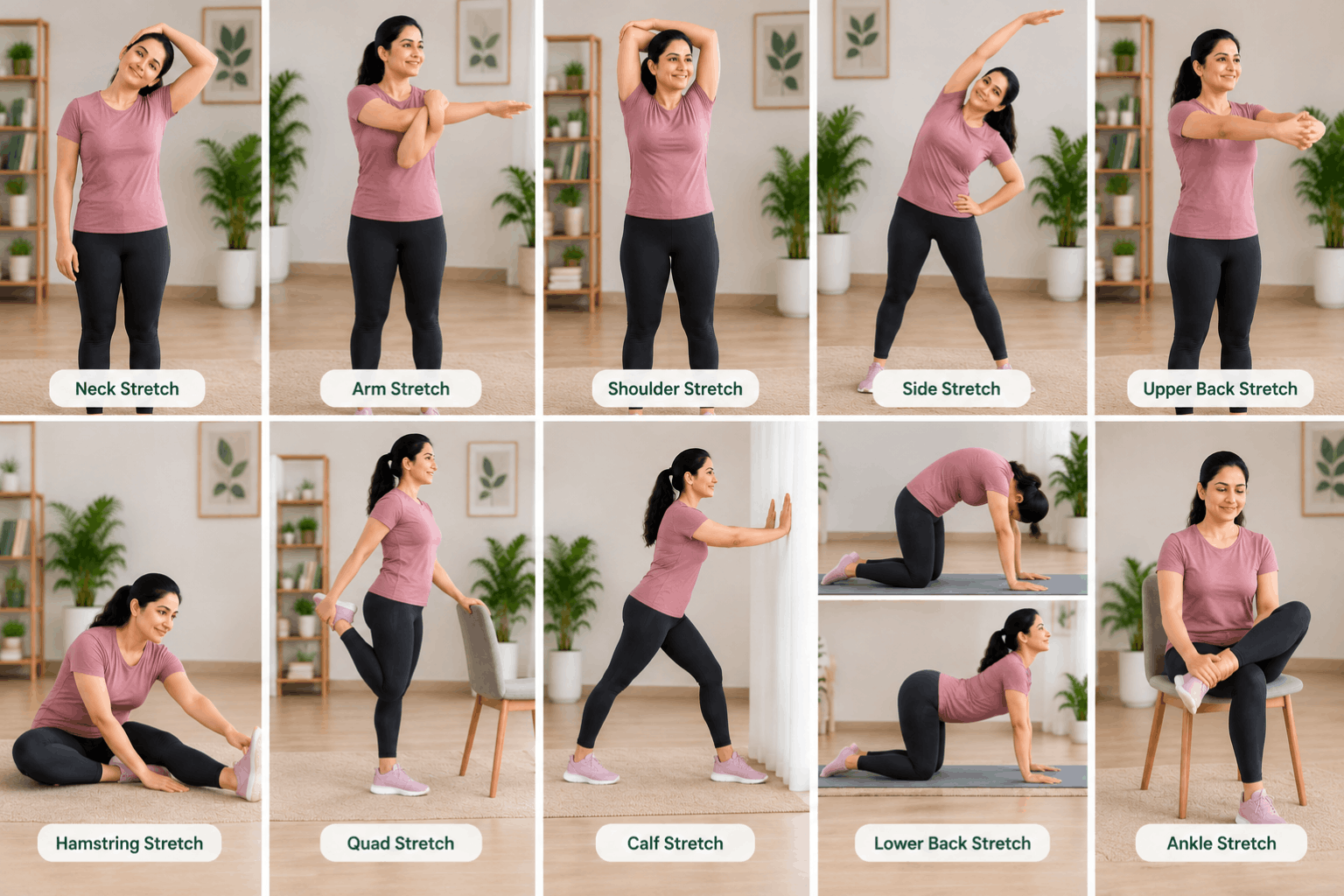
Stretching can help support flexibility and mobility and can be included before or after other physical activities.
Try gentle stretches for your legs, arms, shoulders, back, and neck. Hold each stretch comfortably without bouncing or forcing the movement.
Even a few minutes of gentle stretching can help make your daily routine more active.
How to Create a Diabetes Exercise Routine at Home
The best exercise for diabetes is not necessarily the most intense workout. A sustainable routine that fits your lifestyle can be easier to maintain consistently.
For example, a simple daily routine could include:
- 5–10 minutes of gentle stretching
- 10–20 minutes of comfortable walking
- A few sets of beginner strength exercises
- Short movement breaks throughout the day
Start according to your current fitness level and gradually increase your activity.
If you have diabetes, especially if you take insulin or medicines that can cause low blood sugar, speak with your healthcare professional about how exercise may affect your blood glucose levels.
Exercise Alongside a Healthy Diabetes Lifestyle
Exercise is only one part of maintaining a healthy lifestyle with diabetes. Regular physical activity can be combined with a balanced diet, adequate sleep, stress management, regular health check-ups, and following your healthcare professional’s recommendations.
Some people also choose to include Ayurvedic products as part of their overall wellness routine.
Goelar Health Diamos Syrup and Diamos Capsule are Ayurvedic products intended to provide support as part of a diabetes wellness routine. If you’re considering using an Ayurvedic product alongside your existing diabetes medicines, consult your healthcare professional first.
Ayurvedic products should not be used as a replacement for prescribed diabetes treatment or professional medical advice.
Make Exercise a Daily Habit
You don’t have to make dramatic changes to become more active. Start small, choose exercises that are comfortable for you, and gradually build consistency.
Whether it’s walking around your home, doing a few chair exercises, practicing gentle yoga, or adding simple strength movements, diabetes exercise at home can make staying active more convenient. The key is to find a routine you can follow regularly and combine physical activity with other healthy lifestyle habits for long-term well-being.