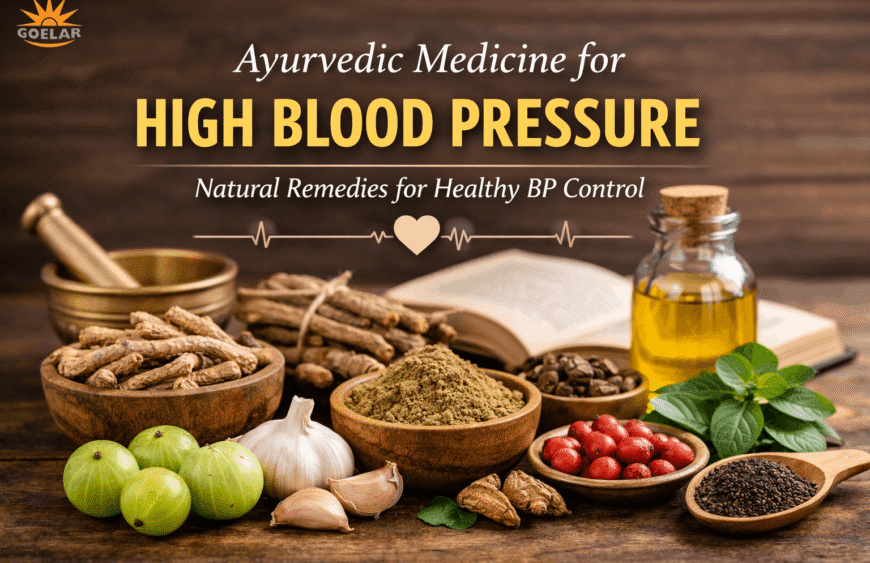
Ayurvedic medicine for high blood pressure focuses on treating the root cause rather than just controlling symptoms. In Ayurveda, hypertension is linked to imbalances in Vata, Pitta, and Rakta, and can be managed using natural herbs, lifestyle changes, and specialized formulations.
Table of Contents
Best Ayurvedic Herbs for High Blood Pressure
Ayurveda does not treat high blood pressure as a single isolated condition. Instead, it looks at the underlying causes stress, poor circulation, toxin buildup, and nervous system imbalance and uses herbs that address these root factors together. Below are some of the most effective Ayurvedic herbs used traditionally as well as supported by modern understanding.
1. Ashwagandha
Ashwagandha is one of the most important herbs in Ayurveda when it comes to managing stress-related disorders, including high blood pressure. In many individuals, hypertension is closely linked to chronic stress, anxiety, and elevated cortisol levels.
Ashwagandha works as an adaptogen, meaning it helps the body respond better to stress. By calming the nervous system and reducing cortisol levels, it indirectly supports healthy blood pressure levels. Over time, it also improves sleep quality and emotional stability, both of which play a key role in maintaining cardiovascular health.
2. Arjuna
Arjuna has been used for centuries as a natural heart tonic. Its primary role in managing high blood pressure comes from its ability to strengthen cardiac muscles and improve the elasticity of blood vessels.
When arteries become stiff or clogged with plaque, the heart has to work harder to pump blood, leading to increased pressure. Arjuna helps improve circulation and may reduce this vascular resistance, allowing blood to flow more smoothly.
3. Garlic
Garlic is widely recognized in both Ayurveda and modern medicine for its cardiovascular benefits. It contains active compounds that help relax blood vessels, a process known as vasodilation, which directly contributes to lowering blood pressure.
In addition to this, garlic also helps reduce LDL (bad cholesterol) levels and improves overall blood flow. This dual action makes it especially beneficial for individuals who have both hypertension and cholesterol imbalance.
4. Triphala
Triphala is a classical Ayurvedic formulation made from three fruits and is known for its powerful detoxifying and digestive benefits. While it may not directly lower blood pressure instantly, its role in improving gut health and reducing toxin accumulation (Ama) makes it highly relevant in long-term BP management.
Poor digestion and toxin buildup can lead to inflammation and impaired circulation, both of which contribute to hypertension. By improving metabolic function and supporting regular elimination, Triphala helps reduce internal stress on the body.
5. Jatamansi
Jatamansi is a lesser-known but highly effective herb for calming the mind and nervous system. It is particularly useful in cases where high blood pressure is triggered by anxiety, restlessness, or sleep disturbances.
This herb acts as a natural relaxant, helping reduce mental agitation and promoting a sense of calm. By stabilizing the nervous system, it indirectly helps regulate blood pressure levels, especially in people who experience sudden spikes due to emotional triggers.
6. Amla
Amla, or Indian gooseberry, is one of the richest natural sources of antioxidants and vitamin C. Its role in managing high blood pressure lies in its ability to improve endothelial function the health of the inner lining of blood vessels.
Healthy blood vessels can expand and contract more efficiently, which is essential for maintaining normal blood pressure. Amla also supports immunity and reduces oxidative stress, both of which contribute to better cardiovascular health over time.
7. Ajwain
Ajwain is commonly used in Indian households for digestion, but it also plays a subtle role in blood pressure regulation. It helps reduce the activity of stress-related hormones that can cause blood vessels to constrict.
Additionally, by improving digestion and reducing bloating or heaviness after meals, Ajwain helps prevent post-meal BP fluctuations, which are often overlooked.
8. Sarpagandha
Sarpagandha (Rauwolfia serpentina) is one of the most well-known Ayurvedic herbs specifically associated with the management of high blood pressure. In fact, its active compounds have historically been studied and even used in early modern antihypertensive medicines.
In Ayurveda, Sarpagandha is valued for its ability to calm the nervous system and reduce excessive stimulation, which plays a direct role in lowering elevated blood pressure levels. It works by helping regulate heart rate and relaxing blood vessels, making it particularly effective in cases of persistent or chronic hypertension.
9. Brahmi
Brahmi is primarily known as a brain tonic, but its impact on blood pressure is closely linked to its calming effect on the mind and nervous system. Many individuals experience fluctuations in BP due to mental stress, overthinking, or lack of mental rest areas where Brahmi can be highly beneficial.
By promoting mental clarity, reducing anxiety, and improving sleep quality, Brahmi helps stabilize the physiological responses that contribute to elevated blood pressure. It supports parasympathetic nervous system activity, which is responsible for relaxation and recovery.
10. Punarnava
Punarnava is an important Ayurvedic herb known for its diuretic and anti-inflammatory properties. One of the contributing factors to high blood pressure can be fluid retention and impaired kidney function, both of which increase the load on the circulatory system.
Punarnava helps the body eliminate excess fluids naturally, thereby reducing volume overload and easing pressure on blood vessels. At the same time, it supports kidney health, which plays a crucial role in maintaining electrolyte balance and blood pressure regulation.
Best Ayurvedic Medicine for High BP
When choosing the best Ayurvedic medicine for high BP, it’s important to focus on the root cause rather than just symptom control. Ayurveda looks at factors like stress, poor circulation, and metabolic imbalance, and treats them using a combination of herbs and formulations. This makes Ayurvedic treatment for high blood pressure more sustainable compared to isolated remedies.
In many cases, high BP is also linked with blood sugar imbalance. That’s why selecting the right Ayurvedic medicine for high BP and diabetes becomes important, as both conditions need to be managed together for better long-term results.
Targeted formulations can support this combined approach. For example, Diamos Capsule – Ayurvedic Support for Healthy Blood Sugar Balance helps maintain stable glucose levels and supports metabolism, while Diamos Syrup – Ayurvedic Support for Healthy Blood Sugar Levels offers an easy-to-consume option for daily blood sugar management. When used alongside heart-supportive herbs and proper lifestyle changes, these formulations help create a more balanced and effective approach to managing high blood pressure naturally.