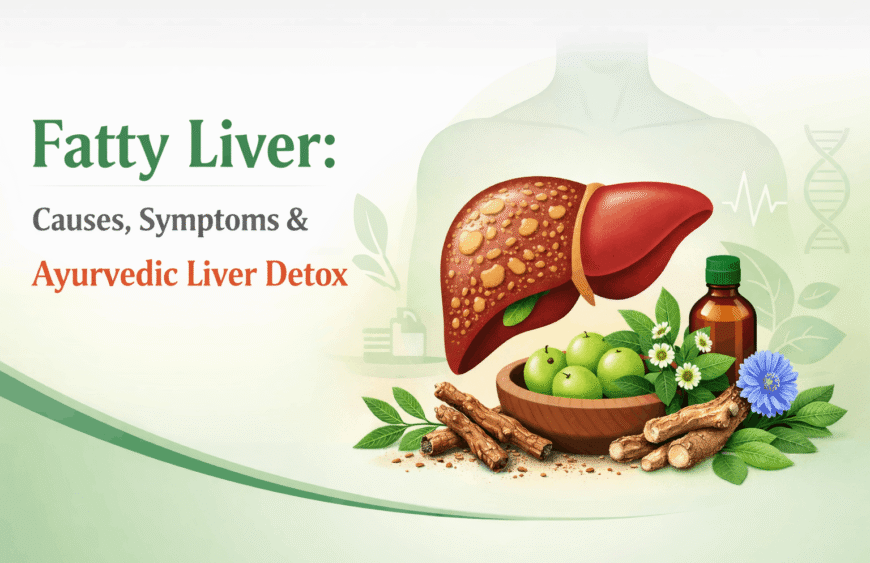
Fatty liver disease is no longer limited to people who consume alcohol. Across India, a growing number of individuals are being diagnosed with Non-Alcoholic Fatty Liver Disease (NAFLD), even among young adults with otherwise normal lifestyles.
Rapid urbanization, long working hours, reduced physical activity, and diets high in processed foods and refined sugars are placing increasing pressure on the liver. Because the condition often develops silently, many people are unaware of the problem until routine blood tests or scans reveal liver fat accumulation.
Understanding the causes and learning how to support liver health early can help prevent long-term complications.
Table of Contents
What Is Non-Alcoholic Fatty Liver Disease?
Non-Alcoholic Fatty Liver Disease occurs when excess fat accumulates in liver cells in individuals who drink little or no alcohol. When more than 5–10% of the liver’s weight consists of fat, the liver’s ability to perform its essential functions begins to decline.
The liver plays a critical role in:
- Filtering toxins from the bloodstream
- Processing nutrients from food
- Supporting metabolism and fat breakdown
- Producing bile for digestion
If fatty liver remains unaddressed, it may gradually progress to inflammation, fibrosis, or more advanced liver conditions.
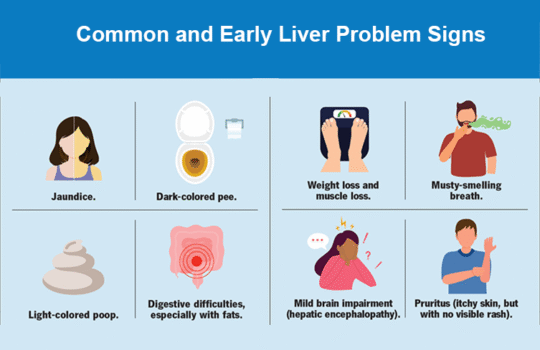
Early Signs That May Indicate Liver Stress
One of the challenges with NAFLD is that it often develops without obvious symptoms in the early stages. However, some individuals may begin to notice subtle changes as the condition progresses.
Common signs may include:
- Persistent fatigue or low energy
- Discomfort or heaviness in the upper right abdomen
- Frequent bloating or indigestion
- Difficulty digesting fatty foods
- Loss of appetite or mild nausea
Because these symptoms can overlap with other digestive issues, medical evaluation and routine liver function tests are important for accurate diagnosis.
How Ayurveda Views Liver Health
In Ayurveda, the liver is closely associated with Pitta balance, digestion (Agni), and detoxification processes within the body. When digestion becomes sluggish and metabolic waste accumulates, the liver may become overloaded.
Ayurvedic texts describe several herbs traditionally used to support:
- Healthy bile flow
- Fat metabolism
- Natural detoxification pathways
- Digestive balance
Modern scientific research is increasingly validating the liver-supporting properties of many of these herbs.
Ayurvedic Herbs Known to Support Liver Function
Bhui Amla (Phyllanthus niruri)

Bhui Amla is widely recognized in Ayurveda for its hepatoprotective properties. Research suggests that extracts of Phyllanthus niruri may help support healthy liver enzyme levels and reduce excess lipid accumulation in the liver.
Studies have also explored its role in helping protect liver cells from oxidative stress and supporting overall liver function.
Kalmegh (Andrographis paniculata)

Often referred to as the “King of Bitters,” Kalmegh has long been used in traditional medicine for liver wellness.
Its active compound andrographolide has demonstrated antioxidant and hepatoprotective properties in research studies. Kalmegh is believed to stimulate bile production and support the liver’s natural detoxification processes.
Kasni (Cichorium intybus)

Kasni, commonly known as chicory, has traditionally been used for liver and digestive health. It supports bile secretion and may help improve digestion and fat metabolism.
Ayurvedic formulations often include Kasni to support natural liver cleansing and metabolic balance.
Kutki (Picrorhiza kurroa)

Kutki is considered one of Ayurveda’s most respected liver-supporting herbs. Research published in the Journal of Ethnopharmacology has explored its ability to support liver cell protection and healthy fat metabolism.
Kutki contains active compounds known as picrosides, which have been studied for their hepatoprotective potential.
Jal Bhangra (Eclipta alba / Bhringraj)

Jal Bhangra, also known as Bhringraj, is widely used in Ayurvedic formulations for supporting liver health and detoxification.
It has been traditionally valued for its role in supporting liver regeneration and protecting liver tissues from oxidative stress.
Supporting Liver Health with Ayurvedic Formulations
For individuals looking to incorporate these traditional herbs into their daily routine, Goelar’s Hepstome Syrup is an Ayurvedic liver tonic formulated with herbs traditionally known to support liver wellness and digestion.
The formulation combines ingredients such as Kalmegh, Bhui Amla, Kasni, Kutki, Giloy, Jal Bhangra, and Punernava, which have long been used in Ayurveda to support natural liver detoxification, metabolic balance, and digestive comfort.
Hepstome Syrup is designed to help:
- Support healthy liver function
- Encourage natural detox pathways
- Promote smoother digestion
- Support bile flow and metabolic balance
- Maintain energy levels and digestive comfort
Because the formulation uses traditional Ayurvedic herbs, it provides gentle daily support for liver health while complementing a balanced lifestyle.
Lifestyle Habits That Help Protect the Liver
While herbal support can play an important role, liver health is best maintained through holistic lifestyle habits.
Simple steps that can make a meaningful difference include:
- Reducing intake of refined sugars and processed foods
- Maintaining a healthy body weight
- Engaging in regular physical activity
- Staying hydrated throughout the day
- Managing stress through relaxation practices
These habits help reduce fat accumulation in the liver and support overall metabolic health.
A Long-Term Approach to Liver Wellness
The liver is one of the body’s most resilient organs, capable of repairing itself when given proper support. However, consistency is essential.
Combining balanced nutrition, active living, and traditional Ayurvedic herbs can help maintain liver function and overall vitality over time. Supporting liver health early not only helps protect the organ itself but also improves digestion, metabolism, and overall well-being.