Every year, millions of people experience symptoms related to kidney stones, ranging from mild discomfort to severe pain that requires medical attention. While kidney stones are widely known for being painful, many people are unaware of how strongly daily drinking habits and hydration choices influence both stone formation and stone removal.
Understanding what drinks help remove kidney stones, and which habits increase risk, can make a meaningful difference in recovery and long-term prevention.
What Causes Kidney Stones?
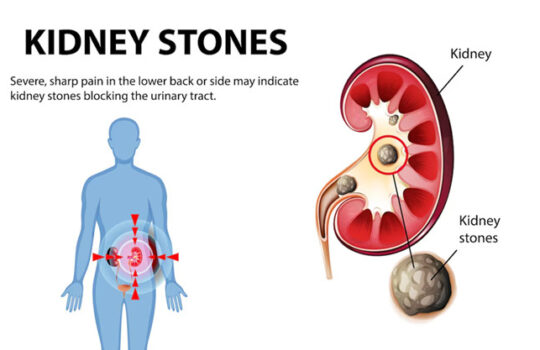
Kidney stones form when minerals and salts in urine become concentrated and crystallize. Although genetics may increase susceptibility, kidney stones are most often linked to diet, hydration levels, and lifestyle factors.
There is no single cause of kidney stones. Several risk factors can contribute to their formation, including:
- Low fluid intake and chronic dehydration
- Diets high in animal protein (red meat, poultry, eggs, seafood)
- Excess sodium from salty and processed foods
- High sugar intake from sodas and sweetened beverages
- Digestive conditions such as inflammatory bowel disease (IBD)
- Obesity and metabolic imbalance
- Family history of kidney stones
- Hormonal conditions such as hyperparathyroidism
Because dehydration is one of the strongest contributors, what and how much you drink daily plays a central role in kidney stone development.
Can You Reduce Your Risk of Kidney Stones?
Yes. In many cases, kidney stones are preventable through conscious dietary and hydration choices.
Drink Plenty of Fluids
Adequate fluid intake dilutes substances in urine that lead to stone formation. Most healthcare professionals recommend at least 2–3 liters of fluid per day, depending on climate and activity level. Urine should appear light or pale yellow throughout the day.
Add Citrate-Rich Fluids
Citrates help prevent stone formation by binding with calcium in urine. Adding fresh lemon or orange juice to water, or consuming low-sugar citrus beverages, can support this process.
Balance Calcium Intake
Contrary to popular belief, calcium does not directly cause kidney stones. In fact, dietary calcium from milk, yogurt, and food sources can reduce stone risk when consumed in moderation.
Reduce Sodium and Excess Protein
High sodium increases calcium loss through urine, while excessive animal protein can raise stone-forming compounds.
Avoid Stone-Promoting Foods (If Prone)
Some individuals are sensitive to oxalate-rich foods such as spinach, beets, chocolate, tea, nuts, and rhubarb.
Can Kidney Stones Go Away Naturally?
There is only one way kidney stones leave the body — through urine.
- Small stones often pass on their own with sufficient hydration and supportive care.
- Larger stones may require medical intervention depending on size, location, and symptoms.
Lifestyle changes and supportive therapies can help the body flush stones more comfortably and reduce recurrence.
Helpful strategies include:
- Maintaining steady urine flow through consistent hydration
- Consuming more plant-based proteins (lentils, beans, peas, chickpeas)
- Including natural diuretics such as cranberries
- Supporting urinary chemistry with healthy fats like fish oil
- Limiting caffeine, which can promote dehydration in excess
- Following a clinician-recommended preventive plan when needed
What Drinks Help Remove Kidney Stones?
Water: The Most Important Drink
Water is the single most effective drink for kidney stone removal and prevention. It increases urine volume, reduces mineral concentration, and supports stone passage.
Recommendation:
Drink enough water to produce a continuous stream of clear or pale urine throughout the day.
Water With Herbal Kidney Support
While water is essential, hydration alone does not always address urinary irritation, burning, or stone aggregation. This is where herbal support mixed with water can be beneficial.
Urepro Syrup – Ayurvedic Tonic for Kidney & Urinary Wellness is designed to be taken with water to enhance hydration while supporting natural urinary cleansing and stone management.
When mixed with water, it helps:
- Promote smooth urine flow
- Support natural stone breakdown
- Reduce urinary discomfort and burning
- Assist the body in flushing impurities
This approach aligns with traditional Ayurvedic practices that emphasize diuretic and lithotriptic herbs taken with adequate fluids.
Ayurvedic Herbs That Support Kidney Stone Management
Urepro Syrup contains a traditional blend of herbs used in Ayurvedic renal care:
- Gokhru (Tribulus terrestris): Supports urine flow and toxin elimination
- Kultha (Horse Gram): Traditionally used for stone disintegration
- Varun Chhal: Supports bladder and kidney cleansing
- Punarnava: Helps reduce inflammation and fluid imbalance
- Pashanbhed: Known for its stone-managing properties
- Sariva, Shatavari, Sheetal Chini: Cooling herbs that soothe urinary irritation
- Shwet Parpati: Used in classical formulations for stone and urinary comfort
Together, these herbs support hydration efficiency, making water intake more effective during stone management.
Supporting Kidney Health With Urepro Capsule
For individuals seeking comprehensive support, Urepro Capsule – Ayurvedic Herbal Support for Kidney & Urinary Wellness can be used alongside the syrup.
The capsule provides internal herbal support while the syrup works through hydration and urinary flow. This combined approach helps:
- Support ongoing kidney function
- Reduce recurrence risk
- Maintain urinary tract comfort
Facts About Kidney Stones
- Calcium itself does not cause kidney stones; balanced intake may help prevent them
- One in 10 people will develop a kidney stone during their lifetime
- Recurrence is common, with many people experiencing stones again within 10 years
- Kidney stones vary greatly in size, from tiny grains to large calculi
- Prevention through diet and hydration can be highly effective
If you pass a stone, saving it for analysis can help determine its type and guide prevention strategies.
Foods and Drinks That Help Prevent Kidney Stones
Water
The most important preventive measure. Aim for 2–3 liters daily.
Lemon
Citric acid helps prevent stone formation and may assist in breaking down existing stones.
Cruciferous Vegetables
Broccoli, kale, and Brussels sprouts help reduce calcium loss and support urinary health.
Whole Grains
Support healthy weight and metabolic balance.
Dietary Calcium
Milk and yogurt can reduce stone risk when consumed appropriately.
Final Thoughts
Kidney stone management is not about one miracle drink — it is about consistent hydration, informed dietary choices, and supportive care.
Drinking enough water every day remains essential. Mixing water with supportive formulations like Urepro Syrup, along with internal support from Urepro Capsule, can help improve hydration efficiency, support stone passage, and maintain long-term kidney and urinary wellness.
As always, individuals with kidney stones should consult a medical professional for diagnosis and personalized care.