




If your periods have been irregular, your weight keeps going up without reason, or your doctor has mentioned the words “PCOS” or “PCOD” you’re not alone. Millions of women in India and around the world are dealing with the same condition. The good news? Ayurveda has been managing hormonal imbalances like this for thousands of years, and many women are finding real relief through natural herbs, diet changes, and simple lifestyle shifts.
In this guide, we’ll walk you through everything you need to know about PCOS treatment in Ayurveda what it is, why it happens, which herbs actually help, and what you can do starting today. No complicated medical language. Just practical, easy-to-follow information.
Table of Contents
What Exactly is PCOS/PCOD?
PCOS stands for Polycystic Ovary Syndrome. PCOD stands for Polycystic Ovarian Disease. While doctors sometimes use these terms differently, for most women they point to the same basic problem your ovaries are not releasing eggs properly, small fluid-filled sacs (cysts) are forming, and your hormones are out of balance.
The result? Irregular or missed periods, unexpected weight gain (especially around the belly), acne, hair thinning, excessive facial hair, and in some cases, difficulty getting pregnant. It’s not just a “period problem” it’s a whole-body hormonal condition.
Modern medicine manages symptoms birth control pills to regulate periods, Metformin for insulin resistance but these don’t fix the root cause. This is where PCOS Ayurveda offers something different.
How Does Ayurveda See PCOS?
Ayurveda doesn’t just look at your ovaries. It looks at your entire system your digestion, your stress levels, your lifestyle, and most importantly, your doshas.
According to Ayurveda, PCOS is primarily a result of imbalanced Kapha and Vata doshas, along with impaired Agni (your digestive fire). When digestion is weak, toxins called Ama build up in the body. These toxins block the natural flow of hormones and reproductive functions, leading to the cyst formation and hormonal chaos we know as PCOS.
- Vata Imbalance – Leads to irregular or absent periods, anxiety, dry skin, and an erratic menstrual cycle. Common in thin women with PCOS.
- Pitta Imbalance – Causes acne, inflammation, excess facial/body hair, and heavier-than-normal bleeding. Often seen in women with PCOS and weight issues.
- Kapha Imbalance – The primary driver of cyst formation leads to weight gain, sluggish digestion, insulin resistance, and fluid retention.
Because every woman’s PCOS presents differently, ayurvedic medicine for PCOS is personalised based on your dominant dosha, lifestyle, and symptoms not a one-size-fits-all approach.
Best Herbs for PCOS in Ayurveda
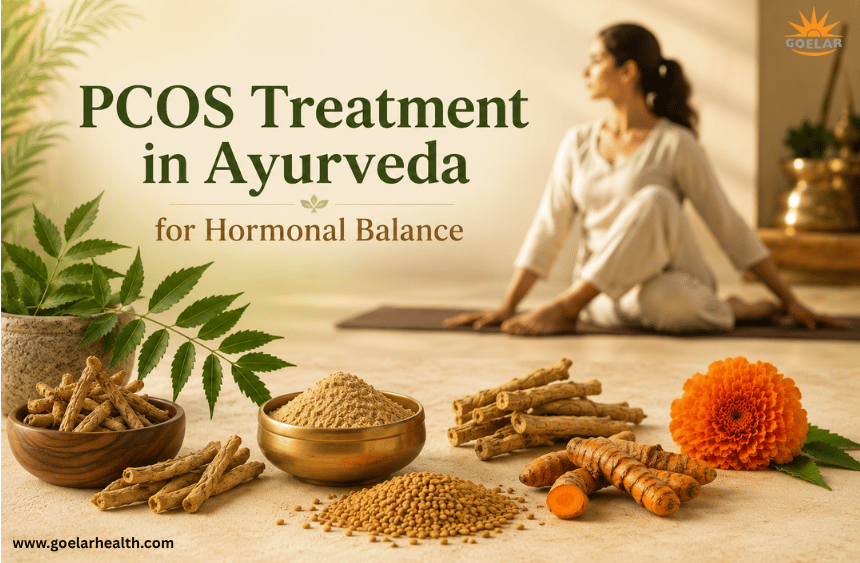
This is where Ayurveda truly shines. For centuries, Ayurvedic practitioners have used specific herbs for PCOS that support hormonal balance, improve ovarian function, and restore a regular menstrual cycle. Here are the most effective ones:
- Shatavari (शतावरी) – The “queen of herbs” for women. Shatavari nourishes the female reproductive system, helps balance estrogen levels, and supports regular ovulation. It’s among the most recommended ayurvedic medicines for PCOD.
- Ashwagandha (अश्वगंधा) – A powerful adaptogen that lowers cortisol (the stress hormone). Since stress is a major trigger of PCOS, Ashwagandha helps indirectly by calming the body and supporting thyroid and adrenal health.
- Kanchnar Guggul (कांचनार गुग्गुल) – One of the most specific Ayurvedic remedies for PCOS. Kanchnar is known to help dissolve cysts, support lymphatic drainage, and improve thyroid function all closely connected with PCOS.
- Guduchi / Giloy (गुडूची) – A potent detoxifying herb that clears Ama (toxins) from the body. Guduchi helps reduce inflammation, supports immunity, and improves overall hormonal environment.
- Triphala (त्रिफला) – A classic Ayurvedic combination of three fruits. Triphala improves gut health and detoxification and since a healthy gut is essential for hormone regulation, it plays an important supporting role in PCOS management.
- Methi / Fenugreek (मेथी) – A kitchen herb with powerful benefits. Methi helps improve insulin sensitivity a key problem in PCOS and supports regular periods. Soaking seeds overnight and eating them on an empty stomach is a common home remedy.
- Varuna (वरुण) – Traditionally used in Ayurveda to dissolve cysts and support kidney and urinary health. It’s now being researched for its role in reducing ovarian cysts in PCOS.
- Lodhra (लोध्र) – A less commonly known but highly effective herb for female reproductive health. Lodhra helps reduce levels of male hormones (androgens) in women the hormones responsible for facial hair and acne in PCOS.
A Note on Ayurvedic Medicines: Most of these herbs are available as churna (powder), capsules, or as part of compound formulations. Always consult a qualified Ayurvedic practitioner before starting any herb, especially if you are on other medications. The right herb and dosage depends on your specific dosha constitution.
Panchakarma Therapies for PCOS
Beyond herbs, Ayurveda offers specialised cleansing therapies called Panchakarma that directly address the root imbalances causing PCOS. These are done under medical supervision at an Ayurvedic clinic and can make a significant difference for women who haven’t responded well to other approaches.
- Virechana (Therapeutic Purgation) – A controlled cleansing process that removes accumulated Pitta toxins from the body, improving hormonal metabolism and reducing the toxic load on the liver which is where many hormones are processed.
- Basti (Medicated Enema) – Considered the most powerful therapy for Vata disorders, Basti uses herbal oils and decoctions administered through the rectum to cleanse and nourish the reproductive channels. It’s particularly useful for women with irregular periods and reproductive issues.
- Udvartana (Herbal Powder Massage) – A vigorous massage using dry herbal powders that helps break down fat, improve lymphatic circulation, and reduce Kapha accumulation all relevant to the weight-related aspects of PCOS.
- Nasya (Nasal Oil Therapy) – Administering medicated oils through the nostrils helps balance hormones at the level of the pituitary gland, which controls the hormones that regulate the menstrual cycle and ovarian function.
PCOS-Friendly Ayurvedic Diet: What to Eat and Avoid
In Ayurveda, food is medicine. What you eat every day has a direct impact on your hormones, your digestion, and your overall reproductive health. Here’s a practical, easy-to-follow guide:
What to Include
- Warm, freshly cooked meals avoid cold, raw, and processed foods which increase Kapha and weaken digestion.
- Bitter and astringent vegetables like bitter gourd (karela), drumstick leaves (moringa), and methi leaves these are natural hormone balancers.
- Whole grains like millets, barley, and old rice lighter on digestion and better for insulin sensitivity than refined carbs.
- Cow’s ghee in small amounts supports hormonal production and lubricates the reproductive tract.
- Warm spices like cinnamon, cumin, coriander, and turmeric they stimulate digestion and reduce inflammation.
- Flaxseeds rich in lignans that help balance estrogen levels naturally.
- Plenty of warm water throughout the day to flush toxins and support metabolism.
What to Reduce or Avoid
- Dairy products especially cold milk, cheese, and curd (yogurt) these increase Kapha and can worsen PCOS symptoms for many women.
- Sugar and refined carbohydrates direct triggers of insulin spikes which worsen PCOS.
- Fried and oily foods they slow digestion and increase toxic buildup.
- Cold drinks and ice cream dampen digestive fire (Agni).
- Processed and packaged foods full of preservatives and additives that disrupt hormones.
Simple Ayurvedic Morning Ritual for PCOS: Start your day with warm water (with a squeeze of lemon and a pinch of turmeric). Wait 30 minutes before eating. Have a warm, light breakfast. Avoid eating anything after 7 PM. This single routine can noticeably improve digestion and hormone balance within weeks.
Lifestyle Changes Ayurveda Recommends for PCOS
Ayurveda treats PCOS as a lifestyle condition as much as a medical one. No amount of herbs will work if the daily habits that are causing the imbalance are not addressed. Here’s what Ayurveda consistently recommends:
- Yoga for PCOS – Yoga isn’t just stretching certain poses directly stimulate the ovaries, improve blood flow to the pelvic area, and help reduce cortisol. The most beneficial poses for PCOS include Baddha Konasana (butterfly pose), Setu Bandhasana (bridge pose), Supta Virasana, and Surya Namaskar done at a slow, mindful pace. Even 20–30 minutes daily makes a difference.
- Pranayama and Stress Management – Stress is one of the most underappreciated causes of PCOS. When you’re constantly stressed, cortisol goes up, which directly disrupts ovarian function. Pranayama practices like Anulom Vilom (alternate nostril breathing) and Bhramari (humming bee breath) calm the nervous system and have been shown to improve hormonal markers in PCOS patients.
- Sleep Routine – Ayurveda places great importance on Dinacharya the daily routine. Going to bed before 10 PM and waking up before sunrise helps regulate your body’s natural hormonal rhythms. Poor sleep directly worsens insulin resistance and cortisol levels in PCOS.
- Avoid Sedentary Habits – Long hours of sitting, especially after meals, increase Kapha and worsen insulin resistance. Even a 15-minute walk after lunch and dinner can significantly support PCOS management.
Ayurvedic Support: Cyclafer Syrup Herbal Support for Menstrual Wellness
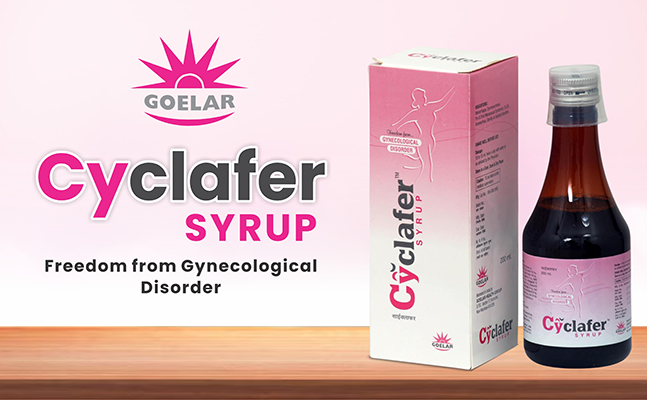
While managing PCOS requires a complete approach diet, herbs, lifestyle many women also need targeted support for the menstrual irregularities that PCOS causes. Cyclafer Syrup is an Ayurvedic formulation made with herbs traditionally used to support hormonal balance and reproductive wellness.
It works as a supportive tonic to help promote more regular menstrual cycles, strengthen uterine muscles, and maintain hormonal balance while also providing natural nutrients like calcium and iron to support overall strength and vitality. Whether you’re looking for an ayurvedic medicine for periods or herbal support for menstrual wellness, Cyclafer offers a gentle, natural option to consider alongside your main PCOS management plan.
PCOD vs PCOS Is There a Difference?
Many women use these terms interchangeably, and while they are closely related, there’s a subtle difference. PCOD (Polycystic Ovarian Disease) is considered a milder condition where the ovaries produce immature eggs that form cysts. It is often manageable with diet and lifestyle changes alone.
PCOS (Polycystic Ovary Syndrome) is a more complex hormonal disorder involving elevated androgens (male hormones), insulin resistance, and greater impact on fertility and long-term health. From an Ayurvedic standpoint, both are treated using similar principles addressing the root cause through Dosha balance, detoxification, and nourishment though the approach may vary in intensity.
How Long Does Ayurvedic Treatment for PCOS Take?
This is the question every woman wants answered. The honest answer is it depends on how long you’ve had PCOS, how severe the imbalance is, and how consistently you follow the treatment plan.
In general, most women begin to notice improvements in their menstrual regularity and energy within 2–3 months of starting Ayurvedic treatment. More significant hormonal normalisation and cyst reduction typically takes 6–12 months of dedicated treatment. This is not a quick fix but the results tend to be more sustainable because they address the root cause rather than just masking symptoms.
Important: Ayurvedic treatment for PCOS works best when it’s supervised by a qualified Ayurvedic doctor who can tailor the approach to your body type and symptoms. Do not stop any existing medications without consulting your physician.
The Bottom Line
PCOS is a complex condition, but it is manageable and Ayurveda offers one of the most holistic, root-cause approaches available. From powerful herbs for PCOS like Shatavari, Ashwagandha, and Kanchnar Guggul, to Panchakarma therapies, a dosha-appropriate diet, and mindful lifestyle practices the tools are available. The key is consistency and personalised guidance. If you’re struggling with irregular periods, unexplained weight gain, or a PCOS diagnosis, consider consulting a qualified Ayurvedic doctor alongside your gynaecologist. Many women have found real, lasting relief this path and you can too.
Common Questions About PCOS and Ayurveda
Can PCOS be permanently cured with Ayurveda?
Ayurveda aims to restore balance rather than just manage symptoms. Many women experience long-term remission of PCOS with sustained Ayurvedic treatment and lifestyle changes. However, ongoing healthy habits are essential to maintain the results think of it as managing a lifestyle condition, not a one-time cure.
Can I get pregnant if I have PCOS? Will Ayurveda help?
Yes. Improving ovulation through Ayurvedic treatment directly supports fertility. Herbs like Shatavari and Kanchnar, combined with diet and lifestyle changes, have helped many women with PCOS conceive naturally. It’s important to work with both an Ayurvedic doctor and a gynaecologist in this case.
Is Ayurvedic treatment safe? Are there any side effects?
When prescribed by a qualified practitioner and taken in the right doses, Ayurvedic herbs for PCOS are generally very safe. Unlike hormonal medications, they work gently and do not typically cause sudden hormonal disruptions. That said, always disclose your full health history and any medications you’re taking.
Can I follow Ayurvedic treatment alongside modern medicine?
Yes, in most cases this is perfectly fine and even recommended. Ayurveda can complement conventional treatment well. Just make sure both your Ayurvedic practitioner and your gynaecologist are aware of each other’s prescriptions to avoid any interactions.
What is the best ayurvedic medicine for PCOD?
There is no single “best” medicine the ideal formulation depends on your dominant dosha and specific symptoms. That said, herbs like Shatavari, Kanchnar Guggul, Ashwagandha, and Lodhra are among the most commonly recommended ayurvedic medicines for PCOD and PCOS.